Vision
Shaping the Future of Human Progress.
Mission
Redefining Human Relevance in the Emerging World of Careers.


We shape individual journeys by providing solutions and experiences that enhance human relevance in an ever-changing world. Our commitment to human-centric design creates a positive societal impact and fosters individual growth within the realm of careers.
Singularis Group, with its continually growing networks, fosters bonds among Higher Education Institutions (HEIs), employers, content providers, recruitment agencies, governments, and supranational organisations. Through strategic engagement and innovative technology, we derive insights and offer recommendations by understanding opportunities to develop competencies suitable for stakeholder development.
Vision
Mission

Creativity

Respect

Transparency

Accountability
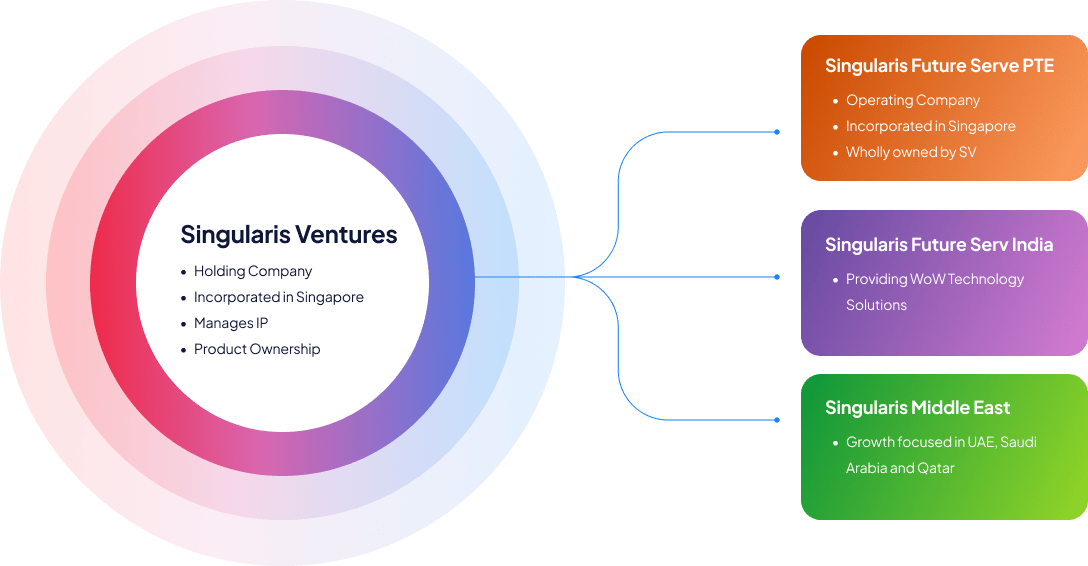
Societal, climactic, and technological changes are rapidly altering the way we live, connect, and work. As these shifts continue to reshape our world, the traditional pathways to career success are being redefined, making it essential for individuals and organisations alike to adapt. In response, we identify and address two primary issues that need to be tackled to bring more flexibility, efficiency, and effectiveness to the World of Work. Firstly, there is a pressing need for continuous skill development and upskilling to keep pace with the rapidly evolving job market. Secondly, fostering stronger collaboration between educational institutions, employers, and policymakers is crucial to ensure that the workforce is equipped with the relevant competencies and experiences necessary for the future of work.
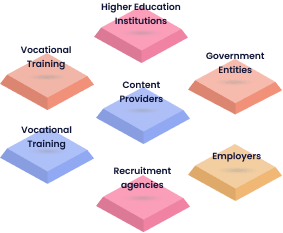
(Fragmented World of Careers)
The concept of work is rapidly changing. The average job lifespan and the half-life of skills are shrinking, driven by technological advancements and shifting societal values. Demographic shifts are also reshaping career choices and influencing work-life balance.
The traditional 3-stage life model (education, work, retirement) is evolving into a more fluid and unpredictable career path. Individuals are now expected to adapt continuously throughout their careers (PwC).
The number of skills required for a job is increasing by 10% annually, with 30% of skills from three years ago now obsolete. This trend highlights the growing importance of continual skill enhancement (Gartner).
The average half-life of skills has dramatically decreased from 30 years to just 6 years, making constant reskilling a necessity
(World Economic Forum).
New work models like freelancing, remote work, and hybrid arrangements are becoming standard. Companies are learning to be more agile, working with distributed teams, and scaling operations to meet changing demands. This is the future of work.
The rise of freelance work is driving demand for new skills and greater adaptability in the workforce.
The shift towards remote work is placing increased importance on digital communication and collaboration tools.
A blend of in-office and remote work is becoming the standard working model.
Employers are increasingly valuing skills over formal education, leading to more inclusive and diverse workforces.
Continuous skill development is crucial to maintaining relevance in a competitive job market.
The global employment landscape is undergoing significant transformation, driven by policy changes, technological advancements, and demographic shifts.
With supportive green economy policies, global job creation could reach 24 million by 2030 (ILO).
AI is projected to contribute $15.7 trillion to the global economy by 2030, with major benefits expected in China and North America (PwC).
By 2030, 375 million workers worldwide may need to reskill or upskill to stay competitive (McKinsey & Company).
Africa's workforce is projected to grow by 800 million by 2050, becoming the largest globally (World Bank).
Changing demographics are significantly impacting career choices and approaches to work-life balance.
The rise of online platforms is revolutionising education and skill development, breaking down traditional barriers to knowledge and access.
The expansion of online learning platforms is making education more accessible and flexible.
Customised learning experiences are becoming more common, allowing individuals to learn at their own pace and style.
There is a growing focus on education models that prioritise practical skills and competencies over traditional academic credentials.
Bite-sized learning and micro-credentials are gaining popularity, allowing individuals to continuously update their skills.
Emerging technologies like AR/VR are enhancing the learning experience, providing immersive and interactive educational opportunities.

The changing scape of cosmopolitics, economy, environment and technology are exponentially transforming job roles as well as required competencies and experience thus creating a complex World of Careers.
By actively engaging with a vast network and conducting environmental scanning, future trend analysis, and utilizing advanced analytics, Singularis excels in interpreting the evolving dynamics and making sense of the everchanging World of Career.
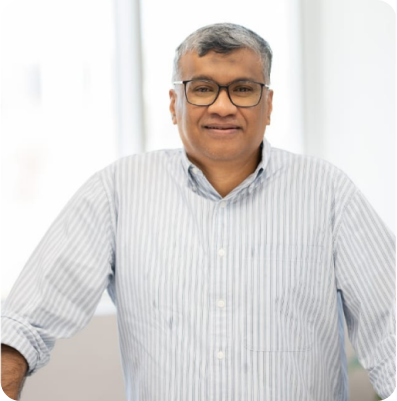
Founder and Chairman

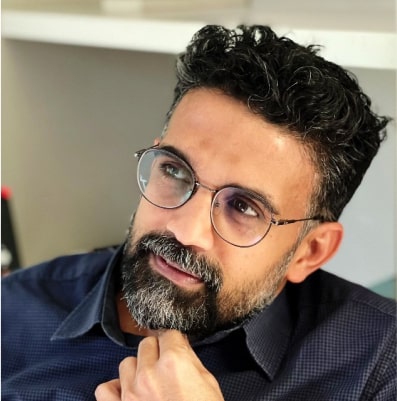
Chief Growth Officer
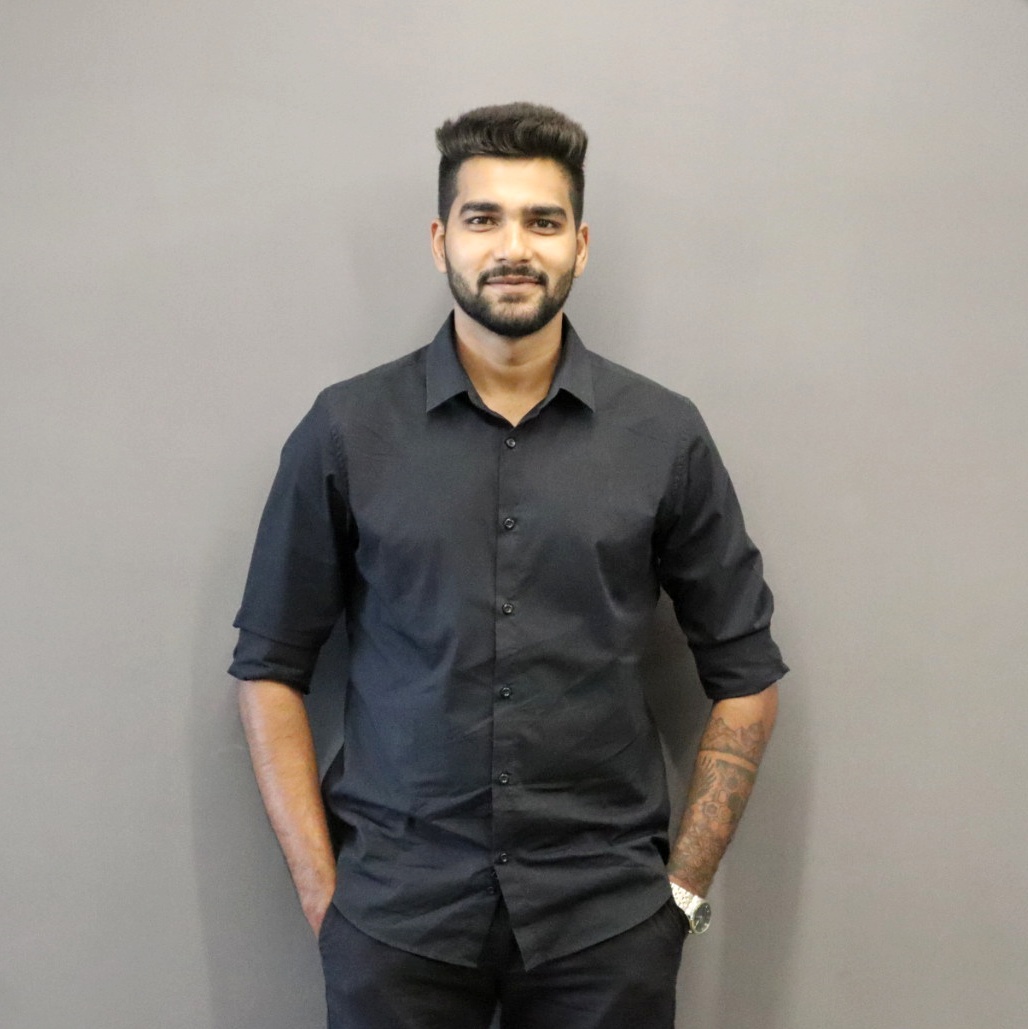
Vice President – Growth & Development

Director of Product

Head of Administration

Assistant Head of Administration
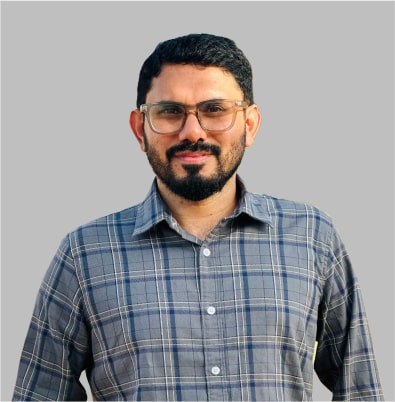
Accountant